Premium gas is often marketed as cleaner, more powerful, and better for your engine. At the same time, it’s more expensive—typically 50 cents or more per gallon above regular unleaded. So is it worth the cost? The answer depends on your vehicle and your driving habits, not advertising claims.
This guide clears up the most common myths about premium fuel and offers real-world advice on when it makes sense to pay more at the pump.
What is premium gas, and how is it different?
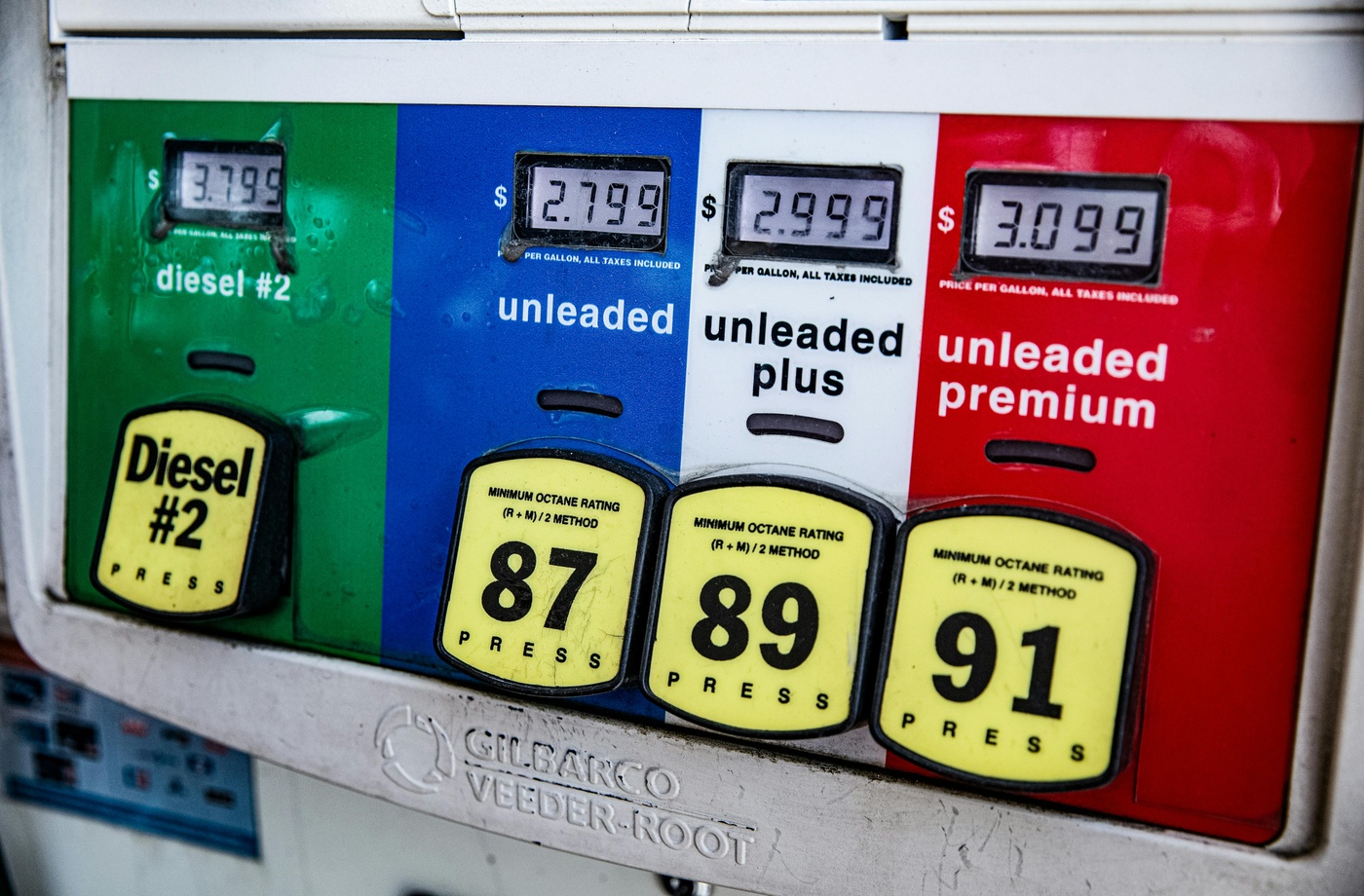
Premium gas refers to fuel with a higher octane rating—typically 91 or 93, compared to 87 for regular unleaded. The octane rating measures a fuel’s resistance to “knocking” or pre-ignition in the engine. High-compression engines (like those in many performance or turbocharged vehicles) are more prone to knocking and require higher-octane fuel to operate safely and efficiently.
But for most standard vehicles, the benefits of premium gas are minimal—or nonexistent.
Myth 1: Premium gas gives better gas mileage
Fact: According to AAA, most vehicles designed to run on regular gas see no improvement in fuel economy when switching to premium. In some cases, performance vehicles may see slight gains, but not enough to offset the cost difference.
Myth 2: Premium gas makes your engine cleaner
Fact: All gasoline sold in the U.S. contains detergent additives regulated by the EPA to reduce engine deposits. Premium fuels may contain additional detergents, but the benefits are marginal unless your car specifically requires it. For most drivers, routine maintenance and regular fill-ups with Top Tier Gasoline (available at brands like Shell, Chevron, and Exxon) make a bigger difference.
Learn more about detergent standards at TopTierGas.com.
Myth 3: Premium gas is better for all cars
Fact: Unless your vehicle requires premium fuel (check your owner’s manual or the label inside your fuel door), you’re not gaining any long-term benefit by using it. If your vehicle only recommends premium, using regular won’t harm your engine, though performance may be slightly reduced in high-demand situations.
Myth 4: Premium gas prevents engine knock in older cars
Fact: In some high-mileage engines, drivers notice knocking or pinging and switch to premium fuel. However, this is often a sign of carbon buildup, timing issues, or incorrect spark plugs—not a fuel problem. Use FuelEconomy.gov to assess whether your car truly needs high-octane fuel.
How to find out what fuel your car needs
- Check your vehicle’s owner’s manual.
- Look for a label inside the fuel door.
- Visit the EPA Fuel Economy Guide for specs by make and model.
If it says “premium required,” always use it. If it says “premium recommended,” regular is acceptable in most cases—though you may experience slightly reduced horsepower or fuel economy.
Tips to save if your car requires premium gas
- Shop around using GasBuddy to compare premium fuel prices locally.
- Combine Top Tier gas with proper engine maintenance (spark plug replacements, fuel injector cleaning).
- Use cashback tools like Fluz to reduce your effective cost per gallon. You can earn cashback with a Chevron gift card or get rewards at Exxon by paying with a digital gift card.
Final thoughts
Premium fuel is only worth the premium price if your car truly needs it. For most drivers, regular unleaded is the most cost-effective choice, offering equal performance and mileage. Don’t fall for marketing hype—read your owner’s manual, monitor your car’s behavior, and save by using trusted fuel and cashback strategies like Fluz when you fill up.